July 20, 2026
The aftermath of an auto accident can be overwhelming, leaving victims to deal with physical pain, emotional stress, and financial burdens. Among the various avenues for recovery, chiropractic care offers a holistic approach to help patients regain their physical health and well-being. Chiropractors integrate their treatment protocols with various therapeutic techniques, offering a comprehensive approach to healing. Read here to learn how chiropractors support injury recovery after auto accidents, emphasizing the techniques, benefits, and individualized care they provide.
They Treat Neck and Back Injuries
Whiplash and Neck Injuries
Whiplash is one of the most frequent injuries sustained in auto accidents and occurs when the neck is subjected to rapid back-and-forth motion. This motion can cause damage to the muscles, ligaments, and tendons in the neck. Chiropractors play a significant role in diagnosing and treating whiplash, focusing on realigning the vertebrae and alleviating pressure on affected tissues. Treatment often involves gentle neck adjustments and stretching exercises tailored to the patient's specific condition. Restoring neck alignment can help reduce pain, stiffness, and prevent further complications.
Beyond whiplash, victims of auto accidents may experience other neck injuries such as cervical herniated discs or strained muscles and ligaments. Chiropractic care for these conditions typically involves a thorough assessment to understand the specific nature of the injury. Treatment strategies include spinal adjustments, therapeutic exercises, and recommendations for ergonomic support during recovery. These measures are aimed at promoting flexibility and restoring normal neck function. Patients benefit from this approach by experiencing reduced pain levels and improved neck mobility.
According to Gitnux, 77% of people who saw a chiropractor described their care as very effective. This statistic underscores the impact of chiropractic care on patients suffering from neck injuries due to auto accidents. Chiropractors work to address not only the immediate symptoms but also to provide strategies for preventing long-term damage. Through ongoing chiropractic care, many patients experience reduced reliance on medication and an overall improvement in quality of life.
Back and Spinal Cord Injuries
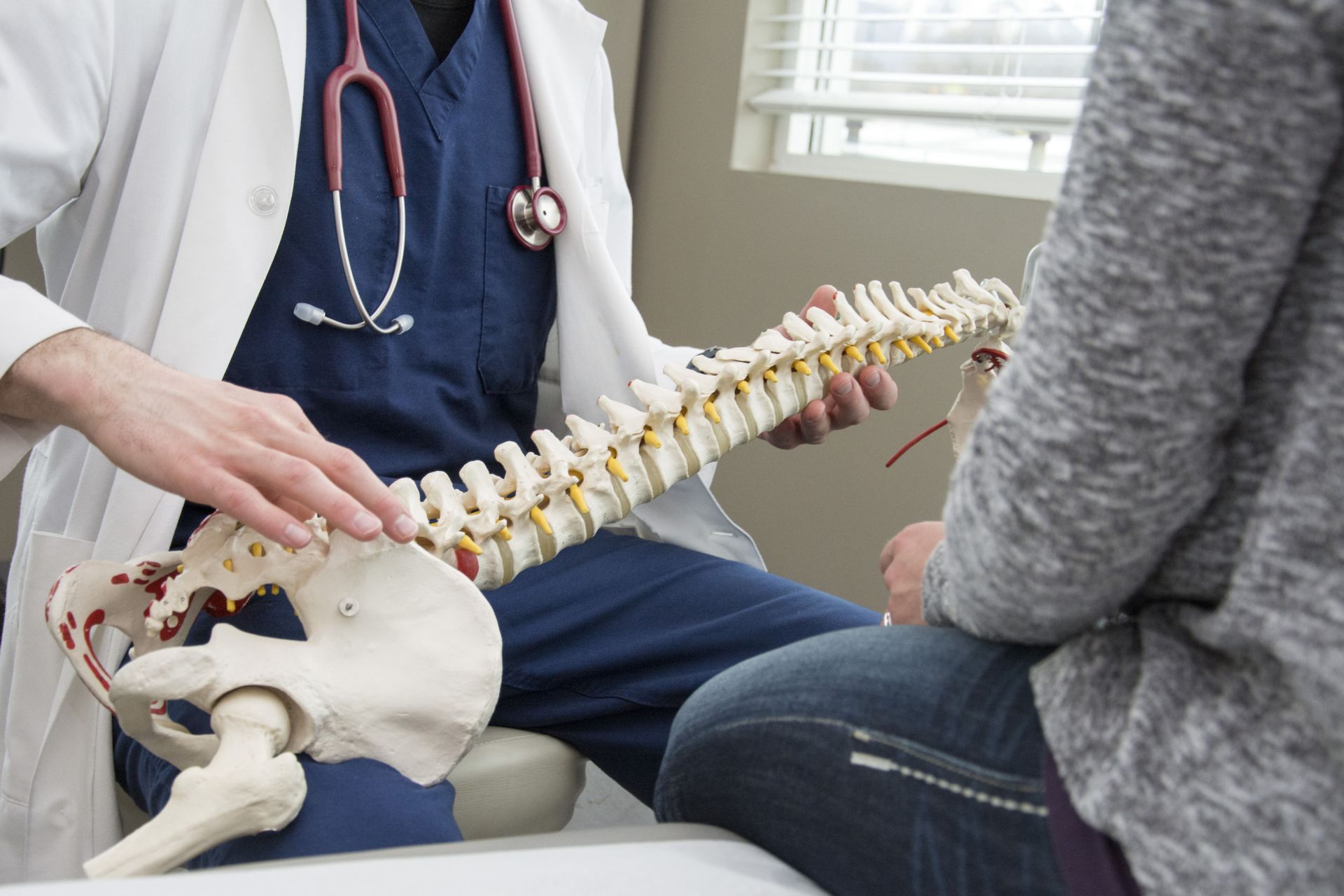
Back injuries are another common consequence of auto accidents, often resulting in significant pain and reduced mobility. Chiropractors are experts in spine health and are well-equipped to handle the complexities of back injuries. They employ techniques such as spinal adjustments to correct misalignments and reduce pressure on nerves. In conjunction with adjustments, chiropractors may use therapeutic exercises to strengthen the muscles supporting the spine. This comprehensive approach helps to restore mobility, relieve pain, and prevent future injuries.
In some cases, auto accidents may result in spinal cord injuries, which can be severe and require a multifaceted treatment plan. Chiropractic care can be an integral part of the rehabilitation process, focusing on improving spinal alignment and function. Chiropractors work closely with other healthcare professionals to ensure that the patient receives well-rounded care. They may incorporate specialized treatments such as decompression therapy to relieve pressure on the spinal cord. These efforts aim to enhance recovery outcomes and improve the patient's quality of life.
Spinal health is a critical aspect of overall well-being, and chiropractors emphasize the importance of maintaining proper alignment. Through regular chiropractic sessions, patients can achieve significant improvements in their back health, leading to reduced pain and enhanced mobility. The non-invasive nature of chiropractic care makes it an appealing option for those seeking to recover from auto accident-induced back injuries. By emphasizing prevention and maintenance, chiropractors help patients achieve lasting recovery and well-being.
They Aid in the Physical Recovery Process
Developing a Personalized Treatment Plan
Once a diagnosis is established, chiropractors work to develop a personalized treatment plan tailored to each individual's needs. This plan takes into account the specific nature of the injuries, the patient's health history, and their personal recovery goals. By customizing the treatment approach, chiropractors ensure that each patient receives the most appropriate and effective care. Treatment plans often include a variety of interventions such as manual adjustments, therapeutic exercises, and lifestyle modifications. The flexibility of chiropractic care empowers chiropractors to adapt and modify treatment plans as the patient progresses.
The development of a personalized treatment plan involves collaboration and active participation from the patient. Chiropractors educate patients about their condition and the various treatment options available. This process empowers patients to make informed decisions about their recovery journey. By involving patients in crafting their treatment strategy, chiropractors foster a sense of ownership and accountability. Patients who are actively involved in their care are more likely to adhere to the recommended interventions and achieve favorable outcomes.
Continuous evaluation and adjustment of the treatment plan are integral components of chiropractic care. As patients progress through their recovery, chiropractors monitor their response to treatment and make necessary modifications. This dynamic approach ensures that the treatment remains aligned with the patient's evolving needs and goals. By maintaining open communication and collaboration, chiropractors support patients in achieving optimal health and recovery from their injuries. This adaptable strategy promotes a successful and satisfying healing experience.
Chiropractic Adjustments and Alignments
Chiropractic adjustments are a core aspect of chiropractic care and involve the manual realignment of the spine and other joints. These adjustments aim to correct misalignments, known as subluxations, which can cause pain and interfere with the body's natural healing processes. Chiropractors use various techniques to perform adjustments, applying controlled force to specific areas to restore alignment. These maneuvers help to alleviate pressure on nerves, reduce inflammation, and improve joint mobility. Patients often experience immediate relief from pain and improvements in mobility following an adjustment.
A critical component of chiropractic adjustments is their impact on the nervous system. Proper spinal alignment supports optimal nerve function, which is essential for overall health and wellness. By promoting efficient nerve transmission, chiropractic care helps the body function more effectively as a whole. This holistic approach emphasizes the interconnectedness of the body's systems and highlights the importance of comprehensive care. Patients often report improvements in their overall well-being, beyond just the resolution of musculoskeletal pain.
Chiropractors tailor adjustments to each patient's specific needs, considering factors such as age, health condition, and injury severity. Adjustments are performed with precision, ensuring they are both safe and effective for each individual. Chiropractors are trained to recognize the appropriate techniques for each situation, prioritizing patient comfort and safety. This customized approach ensures that patients receive the best possible care to support their recovery. Many patients find the non-invasive nature of chiropractic adjustments less intimidating and more appealing compared to alternative treatment options.
Monitoring Progress and Adjusting Care
Continuous monitoring and evaluation are critical components of chiropractic care, ensuring that treatment is effective and aligned with the patient's recovery trajectory. Chiropractors track the patient's progress throughout their treatment plan, using both subjective feedback and objective assessments. Regular check-ins allow chiropractors to gauge the patient's response to interventions and identify any areas that require adjustment. This iterative process ensures that the care provided remains relevant and responsive to the patient's evolving needs.
Chiropractors employ a range of assessment tools to measure progress, including physical examinations, range of motion tests, and patient-reported outcome measures. These assessments provide valuable insights into the patient's functional status and overall health. Based on these evaluations, chiropractors can make informed decisions about modifying treatment strategies as needed. Adjustments may include altering the frequency of visits, incorporating new therapies, or adapting exercise regimens. This dynamic approach supports the patient's ongoing recovery journey and ensures sustained improvement.
These professionals can play an important role in helping patients recover from auto accident injuries by addressing pain, mobility limitations, spinal alignment, and long-term function. Through personalized treatment plans, chiropractic adjustments, therapeutic exercises, and ongoing progress monitoring, care can be adapted to each patient's specific injuries and recovery goals. For compassionate chiropractic care, consult South Main Chiropractic Clinic. We offer a non-invasive path toward improved movement, reduced pain, and a more supported recovery process.